
You ought to know about this website I found that is wonderful and perfect for any teacher in any grade or subject. Ladies and gentlemen, I present Livebinder!

Before I start, I did update my blog. I spent about 2 weeks on it and I must say I am impressed with myself! Anyway, I taught in a 1:1 school. If your unfamiliar with that term, it means that every student in every grade has their own digital device, whether it’s a laptop, netbook, or tablet. I taught 2nd so we had netbooks.
As a teacher with students having laptops, it was kinda frustrating to have my favorite bar full of 20+ links to websites. Don’t even get me started on what my favorites folder actually looked like. During a professional development that was particularly useful, they introduced this website that acts as a favorites bar except its online! Yes, that means logging in, but after that, you can access your favorite websites from ANY computer!
For those who continue working at home (pretty much all of us!), it’s frustrating to find a website you love and then get to work and totally forget the website address because we saved it to our home computer. Livebinder is the solution!
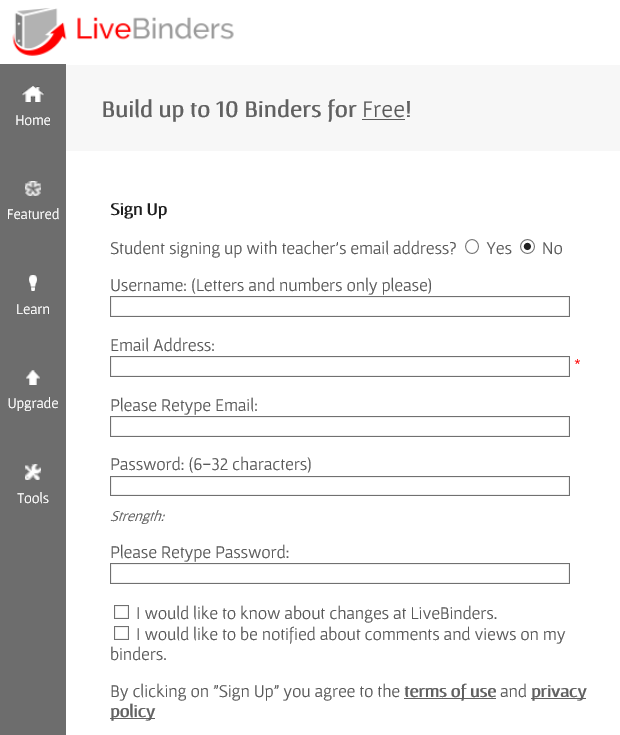
After signing up, you can create up to 10 binders with different links to websites. For elementary teachers, that’s enough for each subject and then some! Take a look 2 binders I have created. The first binder is for the content areas.
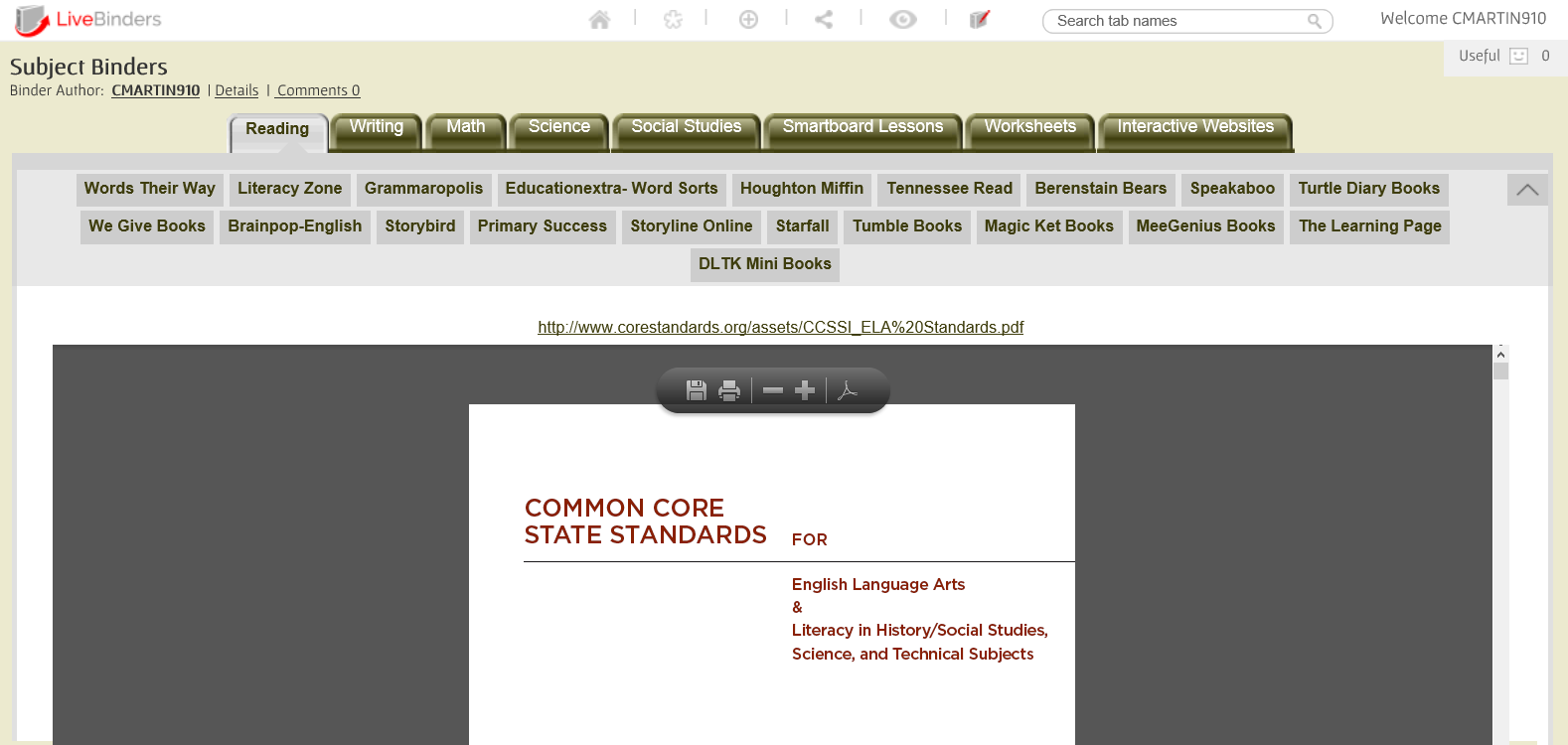
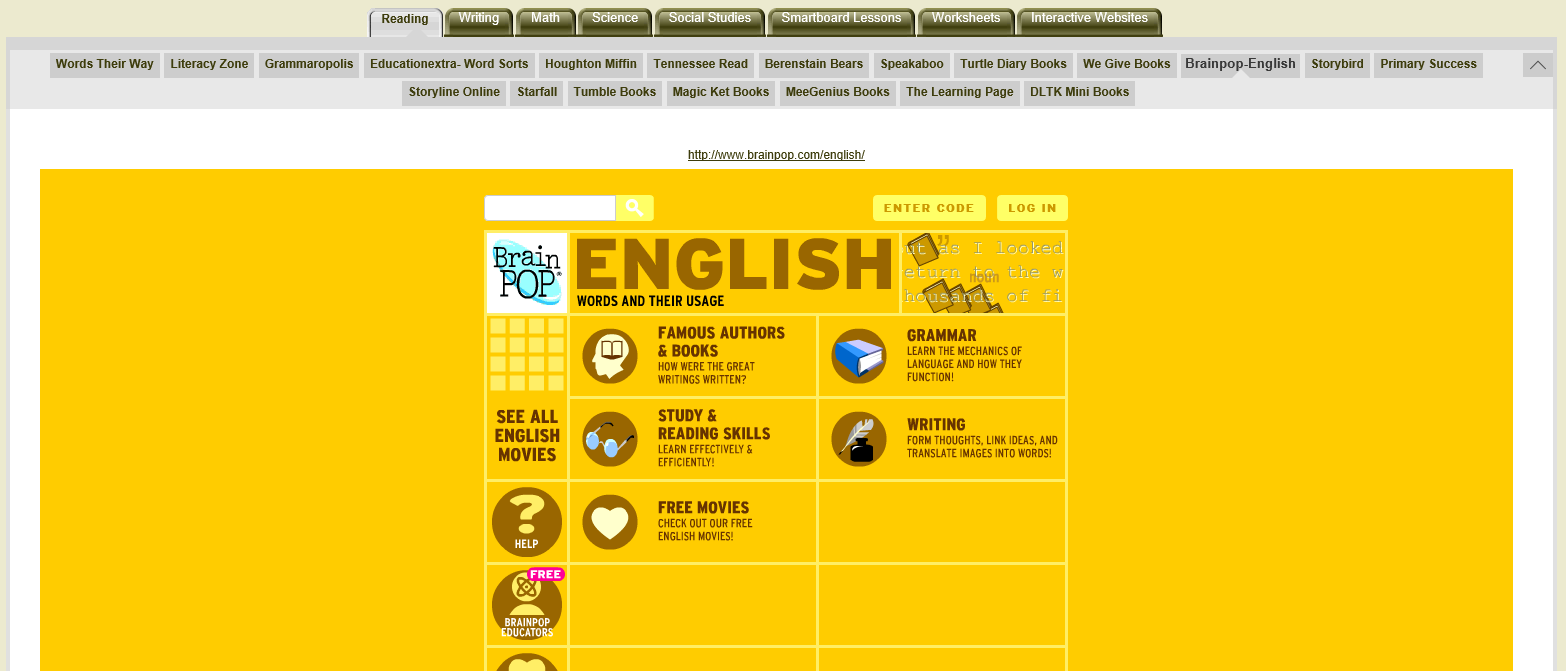
In the first tab, I’ve added all the reading websites I have found while I was teaching. Most of them are free (Tumblebooks, Starfall) . Others require just a log (Houghton Miffin) . One or two of them you have to pay for (Grammaropolis, Speakaboos).
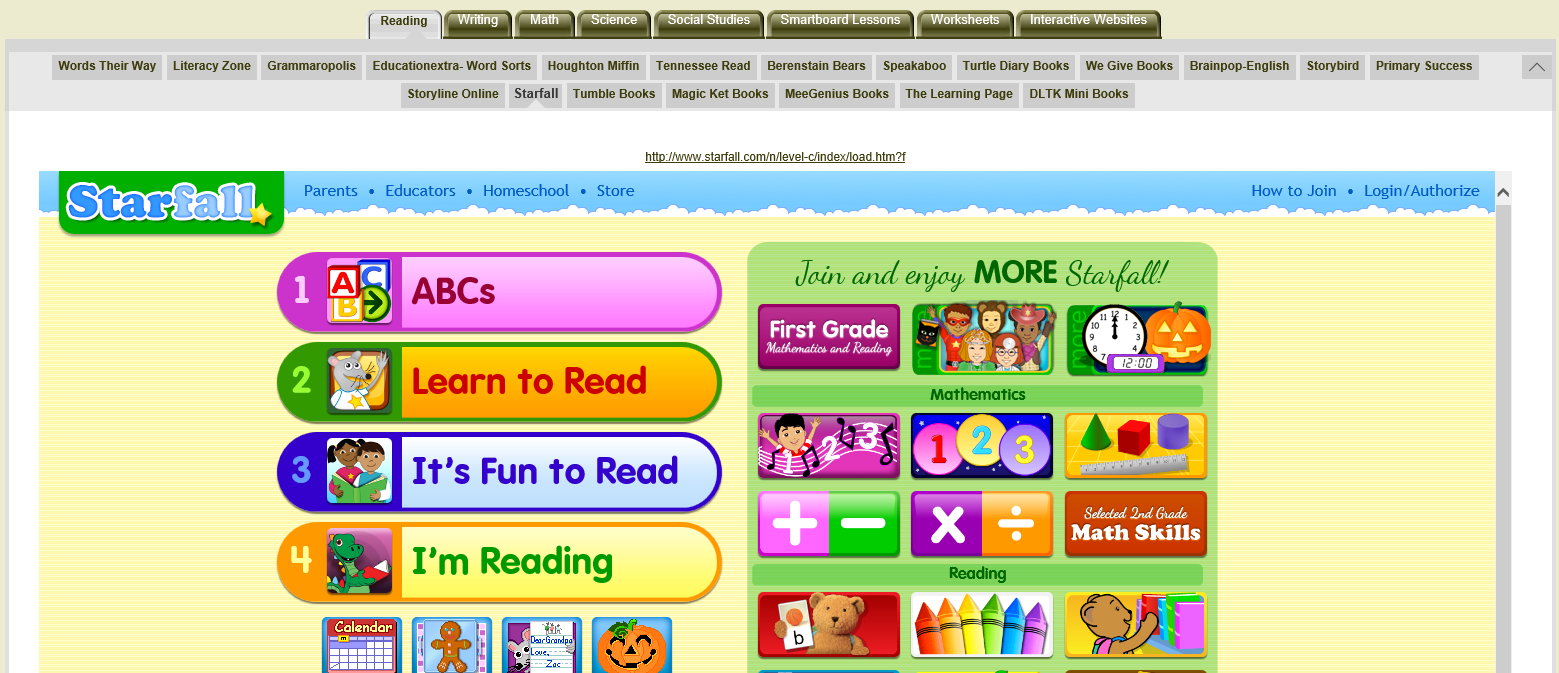
Best part of all: you don’t have to open a new window! With most websites, you can explore the website from within Livebinder. That means no multiple tabs. You can jump from website to website in just one binder.
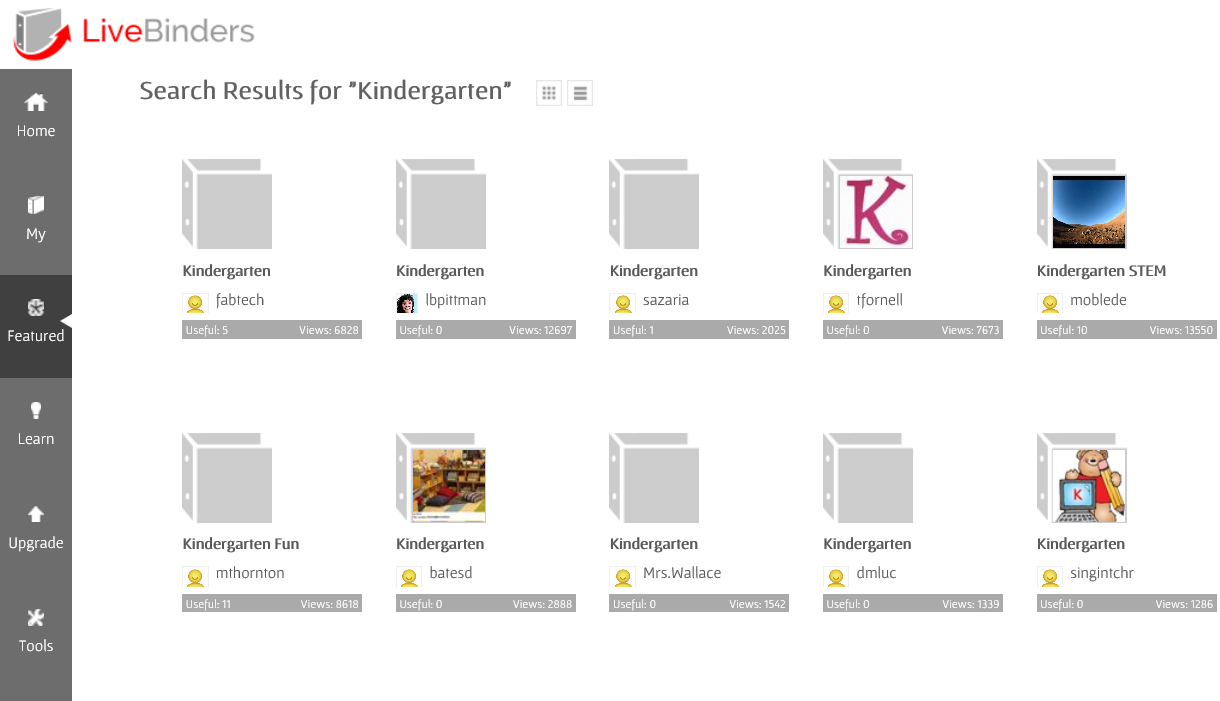
You can even browse other binders that others have created.
This tool is wonderful! I look for websites at home, add them to Livebinder, and access them on my school computer. I simply keep Livebinder on my favorites bar! I hope Livebinder is as great for you as it is for me!
Imagine this: It’s the middle of the school year. You’re reviewing a hard subject and you kids are struggling. A test is coming up and it’s time to give a review before you give that big test. What are you going to do to review that’s fun and engaging. Kids love Jeopardy games, but how do I find the right one, especially for the content I teach?
I’ve run into this problem many, many times. I think every teacher should know, at least, the basic skills needed to make a jeopardy powerpoint game. Take that old test and make a review game out of it.
Here’s how to create a 3 category Jeopardy game in 7 easy steps.
1.) Figure out the questions. If you’re familiar with Microsoft Word, the Microsoft Powerpoint is very similar. To start making a powerpoint game, think about the questions you want included. Write them down on paper or in a notebook. I write my problems in a “Teacher Journal” I bought from the Dollar Tree. It’s so much easy to have them already figured out when you’re inputting them.
2.) Title Screen and Rules Start working on the powerpoint! You can make a slide for the title and rules if you like. Just about everyone knows what Jeopardy is so a rules page might not be necessary. I’ll make a simple Addition Game. Dress it up by changing fonts types and the color.
2.) Scoreboard Here’s the hard part. The scoreboard may very well be the hardest part. I think it’s pretty easy after doing it a few times. I used shapes for my boxes. Go to Insert>Shapes> Rounded Square. Input 6 of them.
Type in the appropriate text (ex. Category title, $100, $200, $300, $400, $500). Adjust the size, color, and font as you see fit.
Copy and Paste works wonders! Select all the boxes by dragging your mouse. Right click “copy” and “paste”. Move them as you like.
3.) Question Board
Now comes one of two hard parts: the question slide! This the part most teachers dread. But alas, if you have the questions already made, it can be a breeze! I suggest you start by creating just one slide and duplicating it. If you like, you can create all the slides you need (no answer slides in this tutorial). Add the title and the amount it is worth up to $500 (5 slides in all).
Again, the joys of Copy and Paste. You can select the 5 slides you created, copy and paste them twice. Change the names of the categories. Now add your questions! Create 2 text boxes: one for the question and one for the answer. Also, create 2 shape buttons named “Answer” and “Scoreboard”.
4.) Hyperlinking the scoreboard and questions The second hardest part. Hyperlinking allows you to click on a certain part of the powerpoint and it will take you somewhere else. This can be another slide, a website, or even to another document. In this case, we will hyperlink to another slide. Start by right clicking on the “scoreboard” button and click hyperlink.
A Box like this should appear. Next, click on “Place in the Document.” Find the “scoreboard” slide and select it. A picture of the slide should appear (red box). Click ok. You can test it out by going into slideshow mode and clicking on “Scoreboard”
If you are successful, repeat the same process for you scoreboard. Link each amount to its corresponding slide.
5.) Answer Animation
With the hard parts out of the way, the last thing to do it make the answers appear. Start by clicking “Animations” and “Custom Animations. A “Custom Animation” box should appear on the right side of your screen. Next, click on the answer to the question (not the answer button like the scoreboard button), click “Add Effect”, and choose and “Entrance” effect such as appear, blinds, or box.
It will automatically show you a preview. Choose your favorites. Last, we need to make the answer appear when you click on the “Answer” button. Click on the small down arrow on the Custom Animation box and click on Timing. once there, click on “Trigger”>Start Effect on click of”> Answer Button (whatever shape you chose).
6.) Disappearing Amounts
Lastly, let’s make those amounts you click on disappear after you click on them. Repeat the above step. Click on the amount, choose a custom animation, only chose “Exit” instead of “Entrance”. Change the trigger to the amount. Repeat the process for all the amounts. Test the animations by going into “Slideshow”
7.) Dress it Up
If all the hyperlinks and animations work, you can now customize it yourself! Create a background ground or add some clip art! Even add a “Double Jeopardy” or “Final Jeopardy” questions. Add some music or sound effects. Here are some backgrounds to get you started.
Don’t have time to make one? You can purchase editable powerpoint game templates! Each template comes with a powerpoint with all the links and buttons ready to go! All you have to do is add the questions and clip art!
I hope you’ve enjoyed this tutorial. Subscribe via email or bloglovin’ for more powerpoint tutorials, tips, and tricks. Check out my TPT Store for awesome Jeopardy games and other games too.
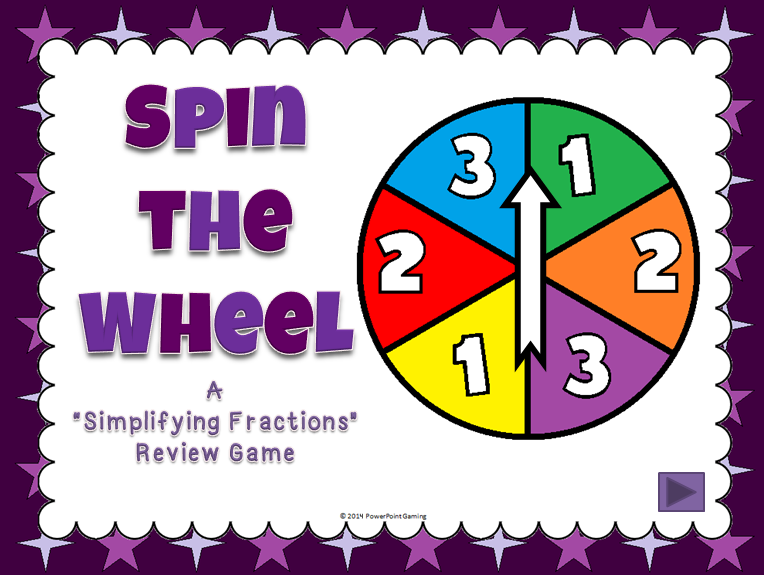
This is a brand new game I’ve created! Hopefully, it will be just as successful as my other games. Here’s the rundown of how to play this game.
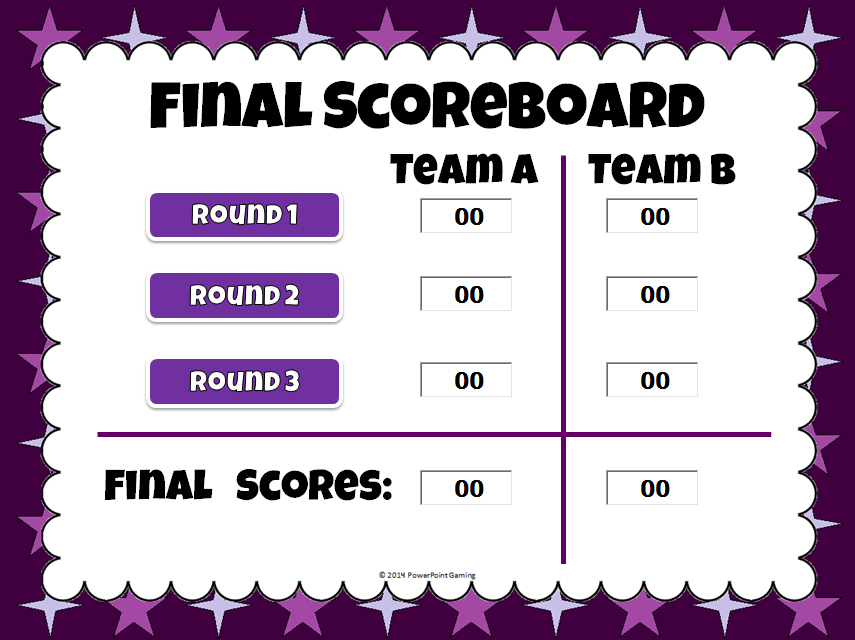
There are 3 rounds in all. The problems get harder as the game goes on. Scores are added up each round for a final score.
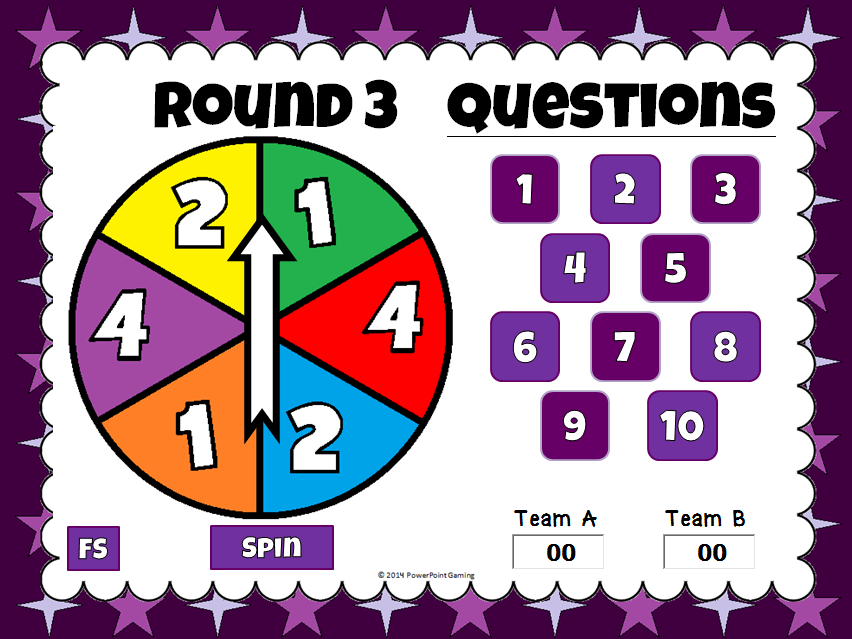
Each game board a wheel with different amounts, 10 questions, and type in scoreboard. A spin button at the bottom allows you to spin the wheel.
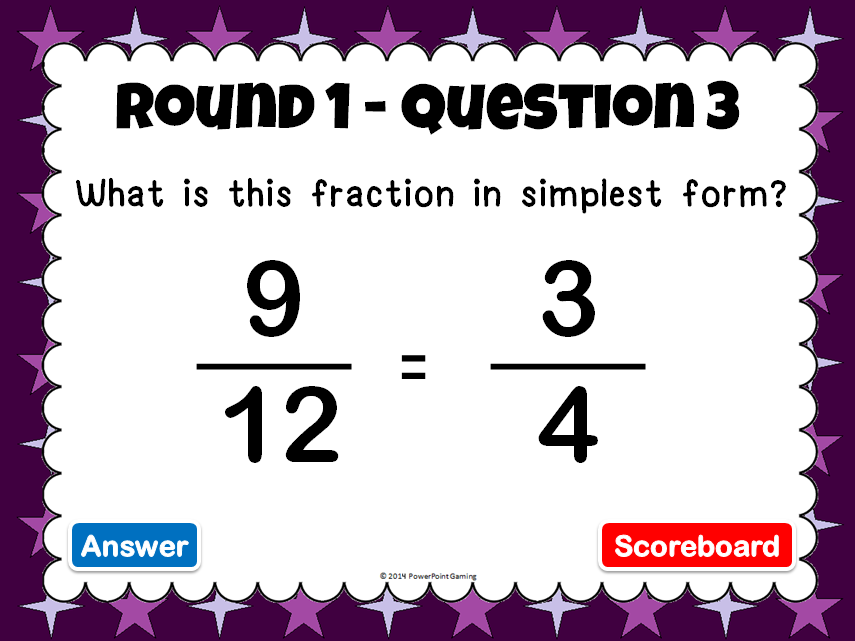
Questions are simple in the beginning. As the rounds go on, the questions get harder. The titles are the top let you know which question and round you are in.
This makes a wonderful addition to your fractions review games.
Thanks you for the comments as I celebrate 900+ votes. In the short amount of time I started this celebration, I have almost reached 1000 vote. Be sure to look for my 1000 Rating Celebration, which will happened within a few weeks.
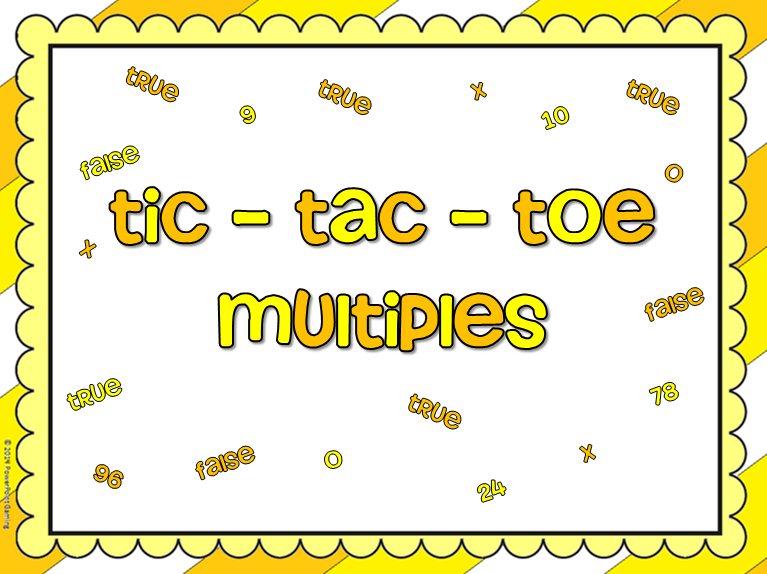
Here’s freebie no. 5. Fourth grade meaning factors and multiples!
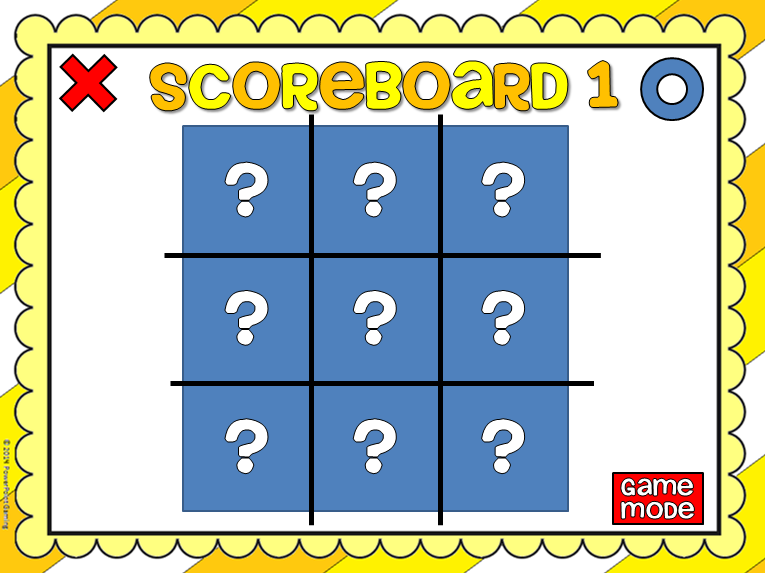
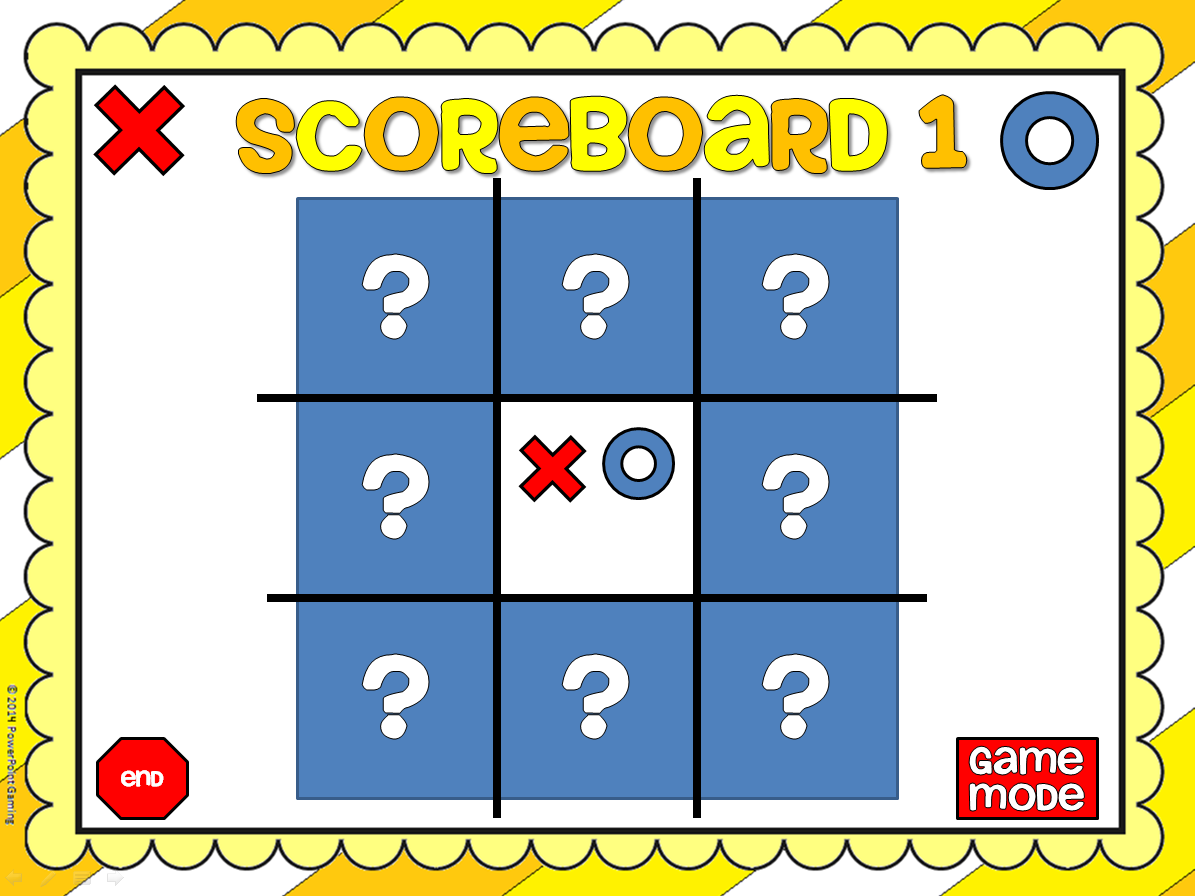
Just like regular Ti-Tac-Toe, only you have to answer the question right to get your X or O. This one is closer to Hollywood square because this game is true or false.
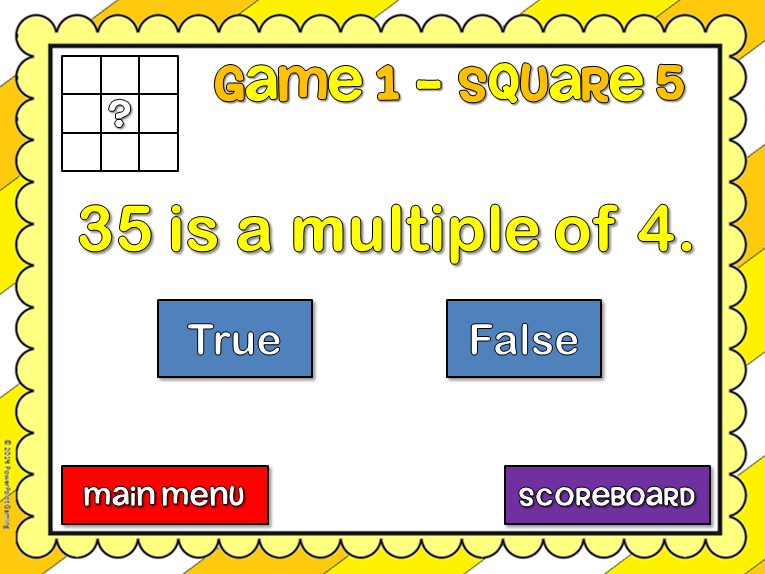
For each question, students must chooses true or false. There is a “check” for correct responses and an “x” for incorrect. The title helps you by telling which game mode you’re in as well as which square you’re in. There’s even a picture to help you visually.
Clicking main menu will take you to the first slide (title page) and scoreboard takes you back to scoreboard. The blue square disappears, revealing an “x” and an “o”. Click on the shape to place it.
That’s all there is to it. You can play all three games or however you like. You don’t have to go through the first to get the next game.
The game modes are divided in sections. Game 1: 1 – 4, Game 2: 5 – 8, and Game 3: 9 – 12. The How to Use” button gives you directions on how to use this game.
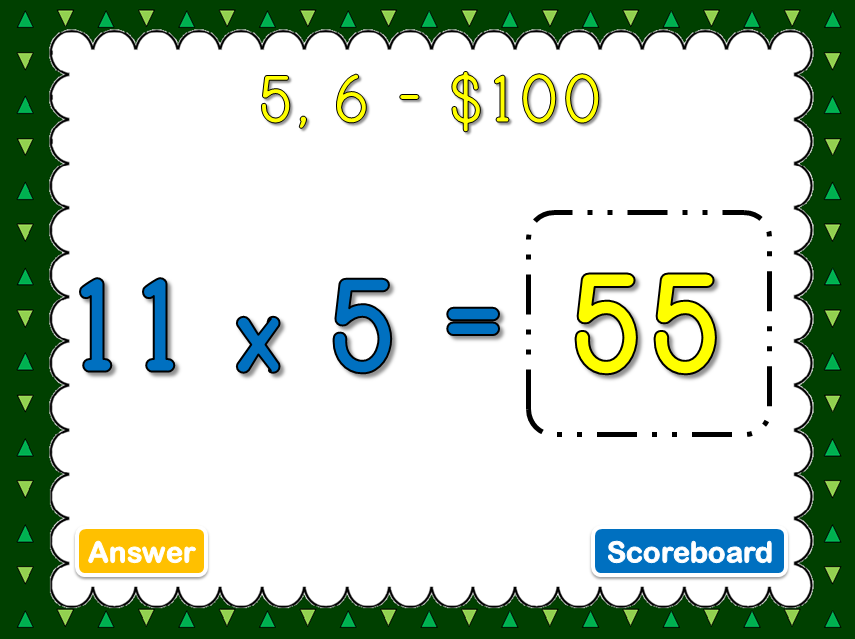
The game I made for 3rd grade is a multiplication jeopardy game. Since “Jeopardy” is copyrighted, I had to name it “Multiplication Review Game”.
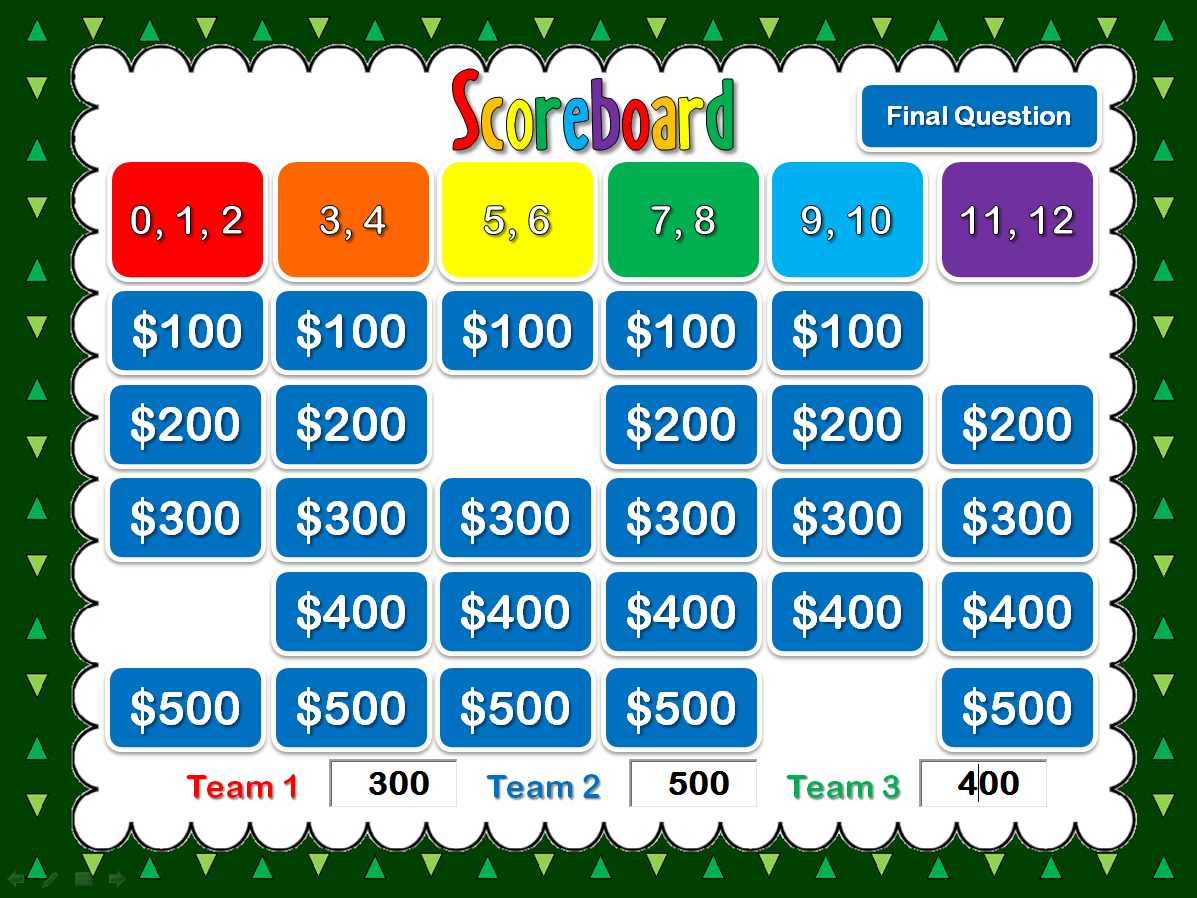
Since multiplication is a big part of 3rd grade and I haven’t made a jeopardy game solely for multiplication. There are 6 categories.
The amounts disappear as they are clicked on so you don’t have worry if you have used it or not. Scores can be typed in on the key board too! (All in Slideshow mode!)
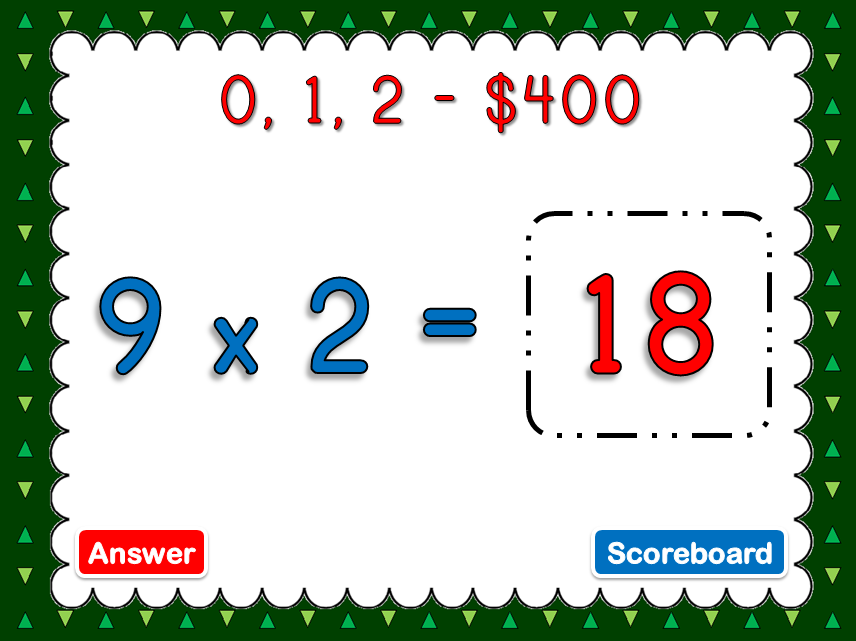
The questions simple enough. It’s almost like a huge flash card, except that you don’t have to hold that huge stack of cards.
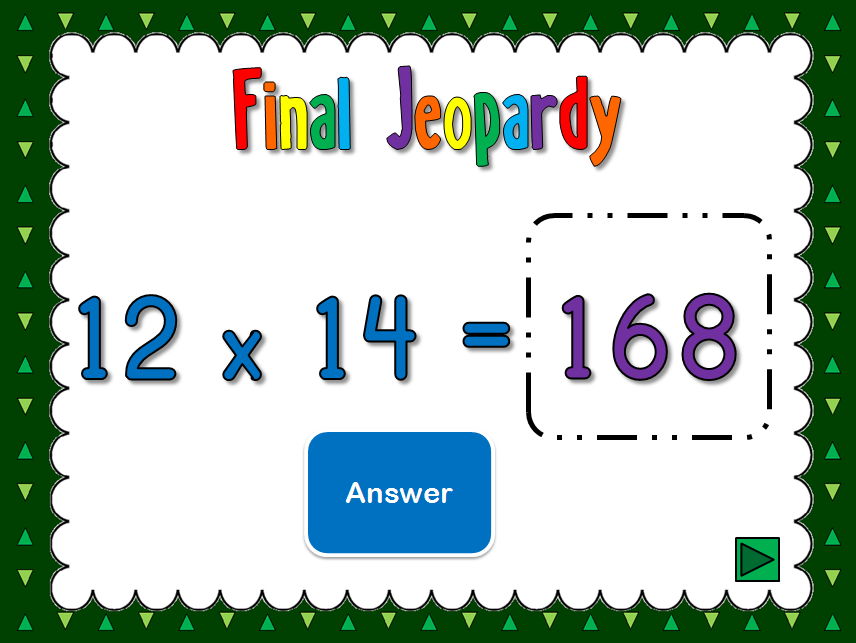
It even comes with a final question, which is beyond what the students should have to know, though that’s what makes it fun (and makes them think/work harder)
I created the backgrounds and graphics. The fonts. however, came from kevinandamanda.com.fonts. They have a wide variety of fonts and I mostly use their fonts for worksheets, but this time, I used it in a ppt game.
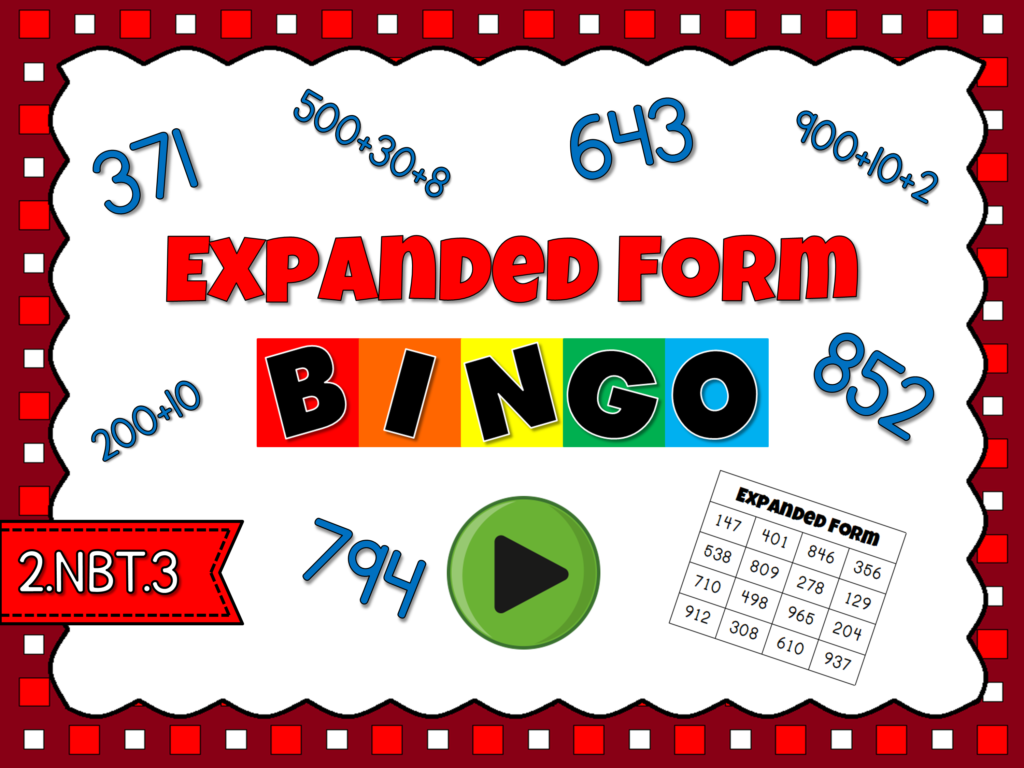
This is best Expanded Form Bingo Game I’ve used! While working with my 2nd graders, I wanted to review expanded form in a nontraditional way. After searching online and coming up empty, I decided to create my own. The game I made is a powerpoint bingo game: Expanded Form Bingo
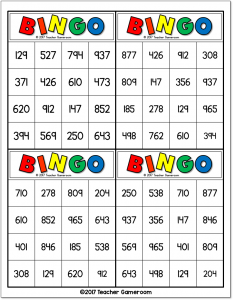
This game has students covering 3 digit numbers that are in standard form. The number is in expanded form so they have to find that number form on their bingo cards.
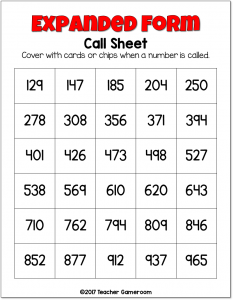
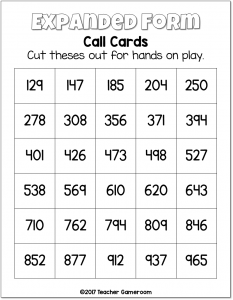
There are 30 unique bingo cards. No two cards are alike. There are 4 cards per sheet, saving time and ink. All you have to do is print them out and cut the cards out. There aren’t any bingo chips, but dollar tree has a 100 pack for $1. Target also have some mini erasers that work great too. There is a call sheet for you so that you can mark the numbers as they are called.
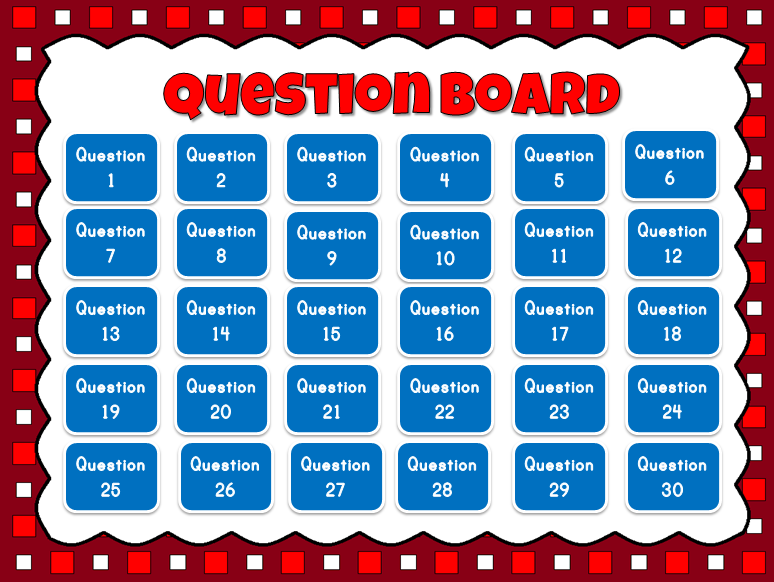
The scoreboard itself has all the questions. You can choose where to start. The numbers aren’t in order so even if you decided to start with question 1, the answer won’t be like 168. I think the first number is 794.
There aren’t that many graphics, though I did create the background and border. Sometimes, you just need something simple to engage the students. This one was definitely one of them. My students enjoyed it so much, they asked to play it again the next day!