Posted on 14 Comments

What Wikipedia can’t tell you about Homework Folders!

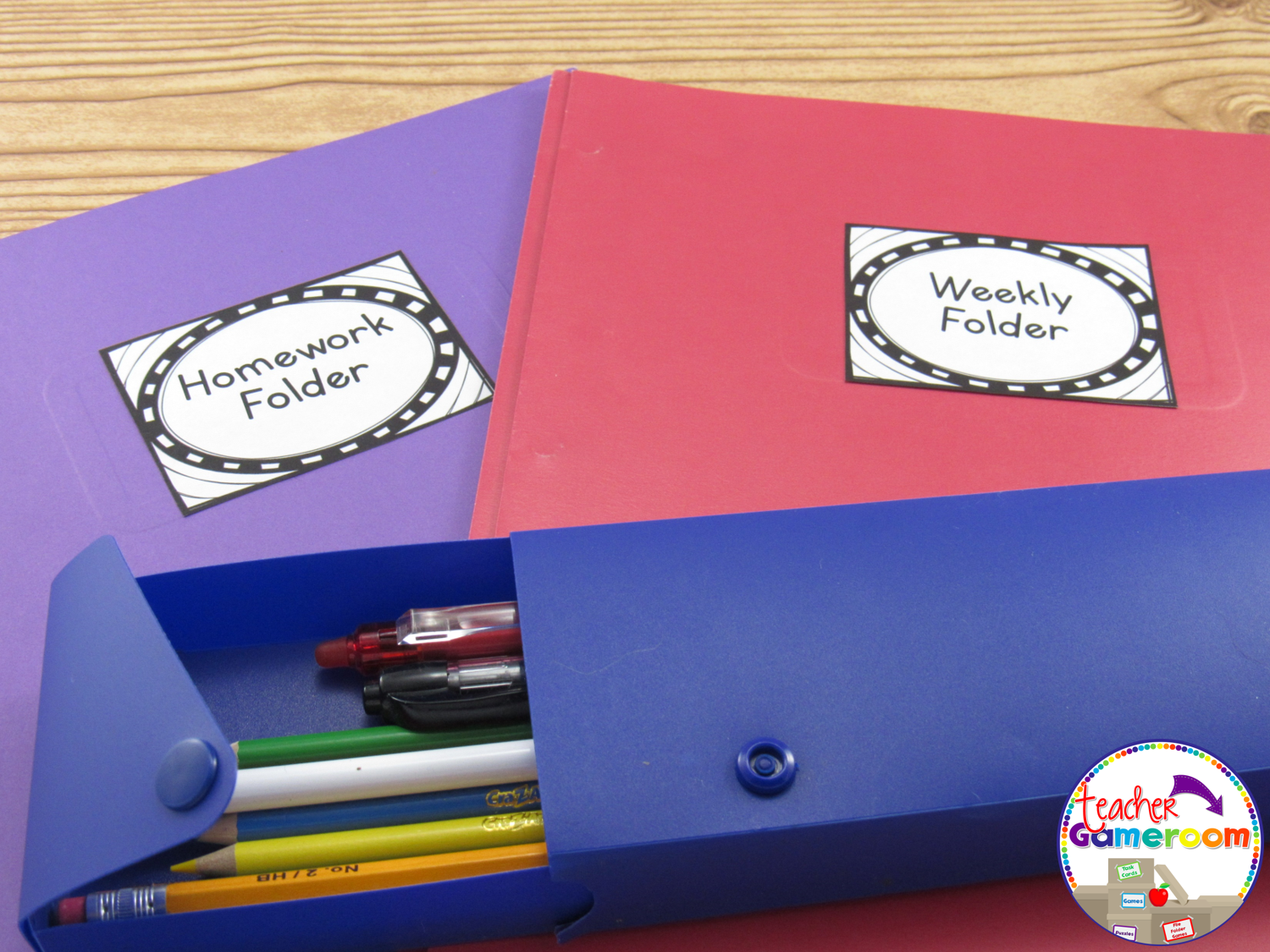
Homework, homework. HOMEWORK! What  can I say. It’s what we as teachers use to assess students when they’re not at school. Sometimes it can  be stressful. The better you manage it, the easier it will be for you! Here are some tips for getting the most out of your homework folder.
Slide25

1.) Buy a sturdy poly-folder!
As teachers, I know you’re eyeballing those $0.17 (or even those $0.01) folders at the store. As tempting as it is to grab all of them some of them for your class, try getting more durable folders. Remember, these folders will be used all year long. Paper folders will tear about half way through the year (especially for those messy students). Grab those poly-folders which will last so much longer.

Slide8
Slide7


2.) Include a Money pouch!

My nephew’s teacher did this and I loved it! It’s great for younger students, especially K-2. Buy a zipper pouch to place inside the folder. Add a label or write “Money Pouch” on it. This pouch is used to transfer money to and from school. Great for lunch money, book fair money, or any time a student needs to bring money to school.


Slide10
Slide9


3.) Include a daily behavior chart!


When I taught 2nd grade, I used to send home weekly progress reports every week. It was hassle to print them out and place them in individual folders. Now I include a monthly calendar with a daily record of the student’s behavior. I use bingo daubers from the Dollar Tree to dauber the color the student is on. When my student helpers passes out homework, I daub folders during pack up. It’s great because most students are on blue and only a few are one other colors. Also, students are not allowed to put the folder away until I daub their chart and check to see if they have their homework.

Slide11
Slide12
Slide13


4.) Include a Reading log!


Every student should read each night. I usually have students read one of their library books or one of their Bag-Books. If they have neither, I have them practice their sight words. Adding a reading log can help you and their parents keep track of the books they are reading (and which of your books a student has). *Bonus* – If you don’t think you need a money pouch, make it a reading pouch!
Slide14
Slide15
5.) Designate each side!
Most folders have two pockets. You can also purchase multi-pocket folders or create your own. Designate each side for certain papers. One side can be for homework and the other can be for take-home paper. You can label one side for Math and the other side for Reading. You can even glue an envelope on one side to hold sight words and flash cards.

Slide16
Slide17


6. Include a signature page!
Keep up with who’s viewing the folder. One year I had a parent who always signed their child’s homework every day. Having a parent or guardian sign the folder helps build the communication between school and home. You can even include a comment section to leave notes for parents or notes parents can write.

Slide18
Slide19


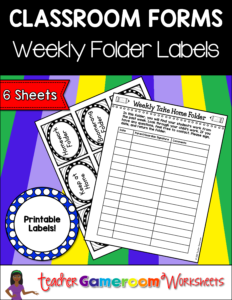
I hope these tips come in handy as your start your school year. Be on the lookout for those poly-folders as they tend to disappear the closer school starts. You can also pick up all the sheets featured in this post by clicking the image below:

Slide1 1 232x300


Pin for later:
Weekyly%2BFolder%2BTips%2Band%2BTricks%2BPinterest


Follow my blog with Bloglovin

Posted on 22 Comments

Trick or Treat! Blog Hop

 photo Trick_or_Treat_Hop_Header_zps5ebqxrf4.png
I’m so happy to join The Classroom Game Nook in a “Trick or Treat” blog hop! Halloween is literally around the corner (one week away) and it’s time for teachers to go trick or treating with some awesome tips, tricks, treats, and more!

 photo tricks_header_zpsvmuosr0e.png

Sight words are fun. Tic-Tac-Toe is fun too! Why not put the two together? 

 photo IMG_1704_zpsqkdioqmh.jpg

My nephew who is in kindergarten practices his sights words every night. After a few weeks, he got tired of doing the flash cards. I decided to play Tic-Tac-Toe using his sight words. He was more than willing to play!

 photo IMG_1718_zpsawsc96vw.jpg

Set up is simple! Make a large Tic-Tac-Toe board on some paper. Write the sight words in each box.

 photo IMG_1716_zpsyrmx3ssg.jpg

 photo IMG_1714_zpsjenj6wys.jpg

Write X’s and O’s on some paper or index cards and you’re ready to go! The first time around, I folded a paper in thirds and just traced the lines. Later, I made some boards, X’s, and O’s on my computer and printed them out.

 photo IMG_1710_zpsbh6s6s3b.jpg

You can save paper by drawing a Tic-Tac-Toe board on some paper and insert it into a Sheet protector. Use a dry-erase marker to write the letters. You can change the words any time with a eraser or paper towel. You can even insert 2 pages in one sheet placed back-to-back for 2 games in 1. You also have a carrying case for your cards and dry-erase pen!
 photo IMG_1724_zpsunbkmsuz.jpg


 photo treats_header_zpsdtqms8le.png
When I think of Halloween, I think of all the sweets. In particular, candy corn. You can never have to much candy core! Here’s a sweet candy corn game for your classroom.
My nephew Isaiah loves adding numbers so here’s a fun Adding to 10 powerpoint game.


 photo Slide1_zpsud7owcvv.png

This Halloween themed game has students practicing adding numbers up to ten.

 photo Slide4_zpsi4vybcsi.png
 photo Pic 3_zpsxa9ubj9j.png
It’s played with dry-erase boards so it’s perfect for small groups. You can grab this wonderful freebie here. Be sure to grab it here:


Lastly, it’s giveaway time! Halloween’s a week away, but what about Thanksgiving? Once Halloween’s over, the turkeys go into hiding! You and your students can practice counting turkeys with this fun Counting Turkeys PPT Game.

 photo Cover_zpssux2jhb1.png
Before the big Turkey Day comes, make sure your students know how to count! Students play against the teacher as they count turkeys.

 photo Pic 1_zpsj0xp48as.png

Some turkeys are in rows while others are scattered about. Great for a Thanksgiving review game. You can check out this game here:

 photo Pic 2_zps8fczdimv.png
 photo Pic 3_zps4wvuxcwd.png
You can enter to win this wonderful game! You can enter below. I’m also having a milestone celebration where you can win a $25 gift card.
a Rafflecopter giveaway

Don’t forget to hop on over to another teacher blog!

 photo Connector_logo_zpsbnyh17kj.png

Posted on

Working with Paper Puzzle Pieces

 photo Cover_zpsgknzumqg.png

When your working with puzzles, it’s always great to have a little guidance. Whether you’ve been teaching for 1 year or 10 years, it’s always great to have some extra help. Here are some tips and tricks for working with paper puzzle pieces.

Tip #1 – Gather your materials!

Let’s face it. There are not a lot of puzzles for subjects like the 3 Branches of Government or animal life cycles. Time to grab all the materials, clip art included, for the puzzle you’d like to make. Save some time by having the source materials with you for easy access.

Tip #2 – Find some puzzle pieces!

 photo IMG_1148_zpsyslymnpi.jpg

When you have your designs all figured out, it’s time to decide what type of puzzle you want. Do you want the traditional puzzle or something different. Maybe a two piece puzzle or even a 3 or 4 piece. I have a few free puzzle templates in my TPT Store.

 photo Cover_zpscniheakq.png

Tip #3 – Use strong paper!

 photo IMG_1204_zpsq5lkubtn.jpg

If you decide to create your own, print them out on some durable paper. I bought a pack of 75 white cardstock sheets from Big Lots from $2.50. The stronger the paper, the longer they will last!

Tip #4 – Laminate them!
 photo IMG_1158_zpskwr2roow.jpg
Just about every school has a laminating machine. Once you’re done print and cutting them our, get them laminated. Laminating the cards will help them last much longer. If your school doesn’t have a laminator, simply take them to Office Max, Staples, or a postal store (like Postal Annex) and have them laminated there, though it can get a little pricy.
 photo IMG_1181_zps1csqodv2.jpg
 You could always buy your own lamination machine. They can run anywhere from $20 to $100, depending on the model and make. I bought mine from Wal-Mart for $45 (including the 20 thermal pouches). They do sell starter kits for $20 which includes 3 pouches.


Tip #5 – Store them!

 photo IMG_1177_zpsvoh3foqj.jpg

Now your cards are ready for student use, but where to store them? I’ve seen teachers store them in soap bar boxes from the dollar tree. Others have them in plastic bags with rings. If you’re on a budget, I’d go for the latter. You can buy plenty of zip-lock sandwich bags and label them accordingly.

Tip #6 – Buy them
If all else fails, buy them already made! Time is always a factor. If you need it by Friday and it’s already Wednesday, you may have to buy them yourself. There are plenty of sellers on TPT with tons of puzzle pieces sets.

Tip #7 – Teach Kids to handle with care!
One of the most important tips is to teach your students to handle the puzzle pieces with care, especially if you made them. Whether you plan to use them 1 time or 100 times, students should know that these pieces need to be taken care of properly so that student next year can enjoy them too.

I hope you found these tips useful in your classroom. Don’t forget to stop my TPT store for some printable puzzle pieces!

Posted on 3 Comments

Create an AWESOME Coupon Book!

SPuUTaC4fk6JTxtYRJSBLDRK6dEW3gPUoIUihQWlVUI%2CSsHPjTymRNGiK79DTct0oadLrLQtcpkJncz2Rosw434%2CBZRcUrvJ2b02nDYq7QwI88W9IGagF19no6C HhOQp1k%2CBUqh0N5gDdYcF7K7ulxNTjQIn24DBrvLmvbsPCemXvo%2CbfboxqdPYBmgOR041Vlxo0ElVbfPLp8UCH5RVLYRBIQ%2C2AOOMfMxq4sl7WNzTs BY9O2w3OHeFgKYtnPPC6wirU%2CetdqbdNFLqPiU299IJu3yCH8XGqGLWzadoK 6orrI8g%2CpllO4vXKnIcmQYx5sf2OOsVXqYJ4ikfclLwD WdOsiQ%2CLBDht Hd9jXyhJ5IPrX53W4D66pyShzKeo9NZgWul08%2CoGvXaZL98UusWtPD1IMnx9p6O5aXF2FPrixh EMfNjA%2Cne9cy98BjjEj7UrnbJZfWW1CT4HQtm7SHhD PF4bkWk%2CPu57cunWSpoCt9JmQLFyktXwPn2Q1QpNo23AAomLe7U?size=1600x1200&size Mode=3


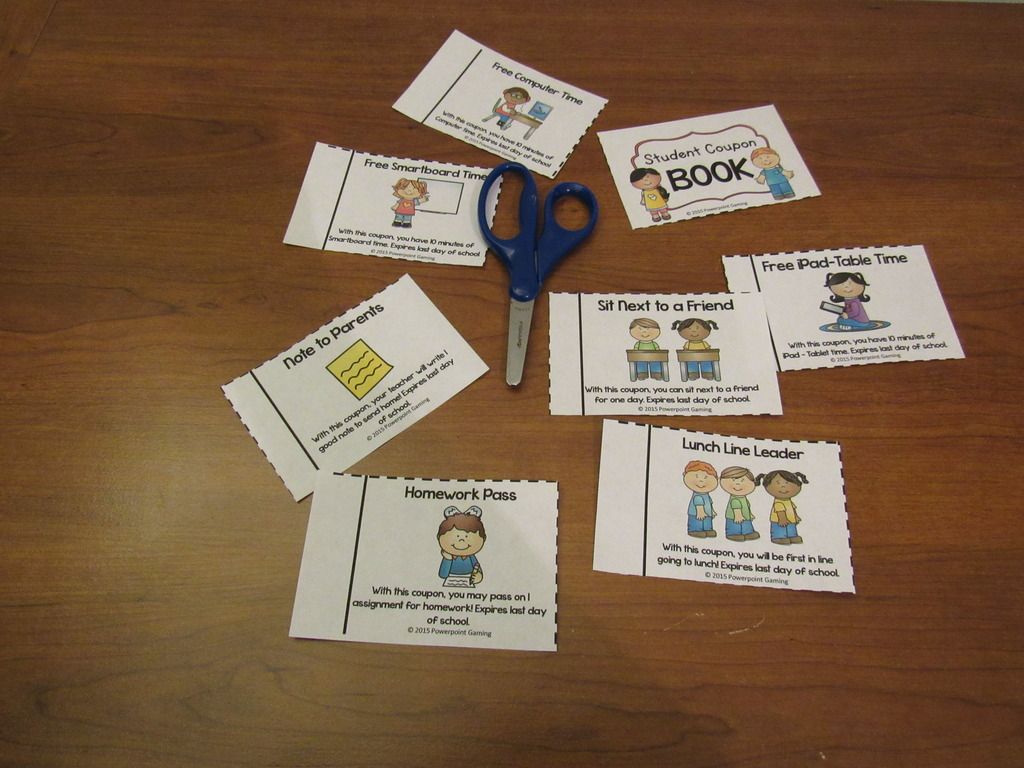
Do you have coupons or reward tickets in your classroom? Here’s a fun way to organize all those coupons and reward tickets you give out to your students in 5 easy steps.
Here’s everything you’ll need to make your book:
  • Coupons/ Reward Tickets
  • Scissors
  • Stapler
  • Scrapbook Scissors (Optional)


Step 1: Print it!
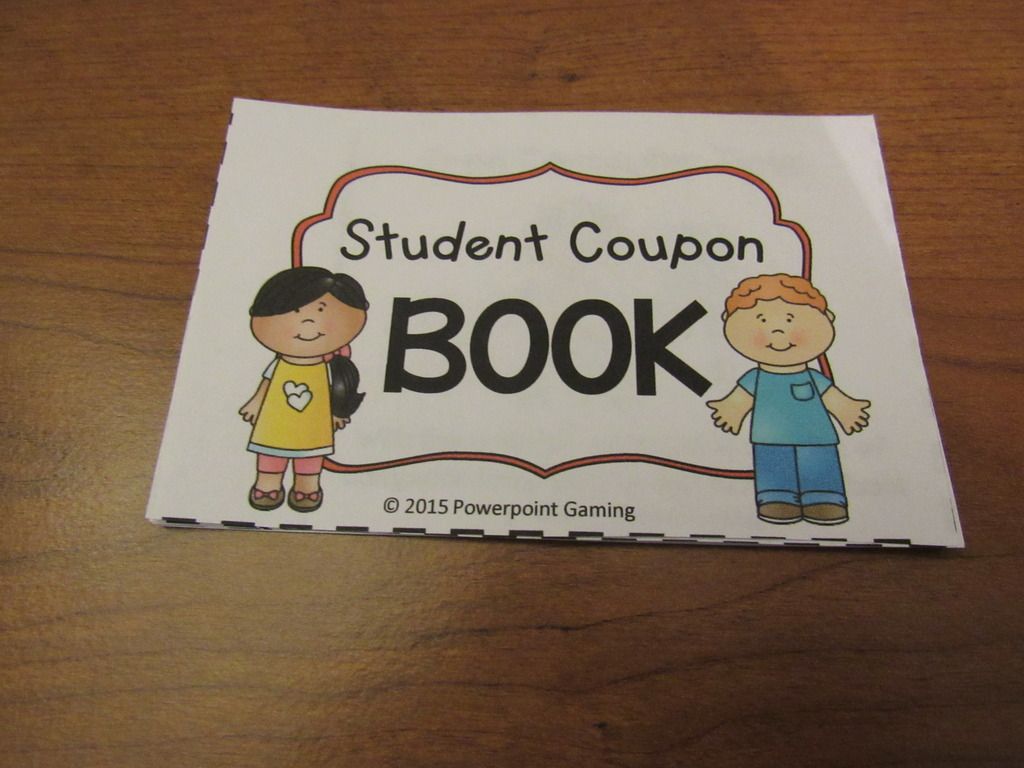
Print out your coupons. There are several different coupons/reward tickets on TPT. You can purchase my coupon book for only $2.


IMG 1001


Step 2: Cut it!
Cut out each coupon/reward ticket. With my coupons, simply cut on the dotted lines.


IMG 1008 Zpstxdyapvh


Step 3: Organize it!
Add whatever coupon/reward tickets you like. Choose the ones that apply to your class. You don’t want a coupon for “Free Smartboard Time” if you don’t have a Smartboard in your classroom! Line up the solid black lines as best you can.


IMG 1011 Zpskdvmwq48

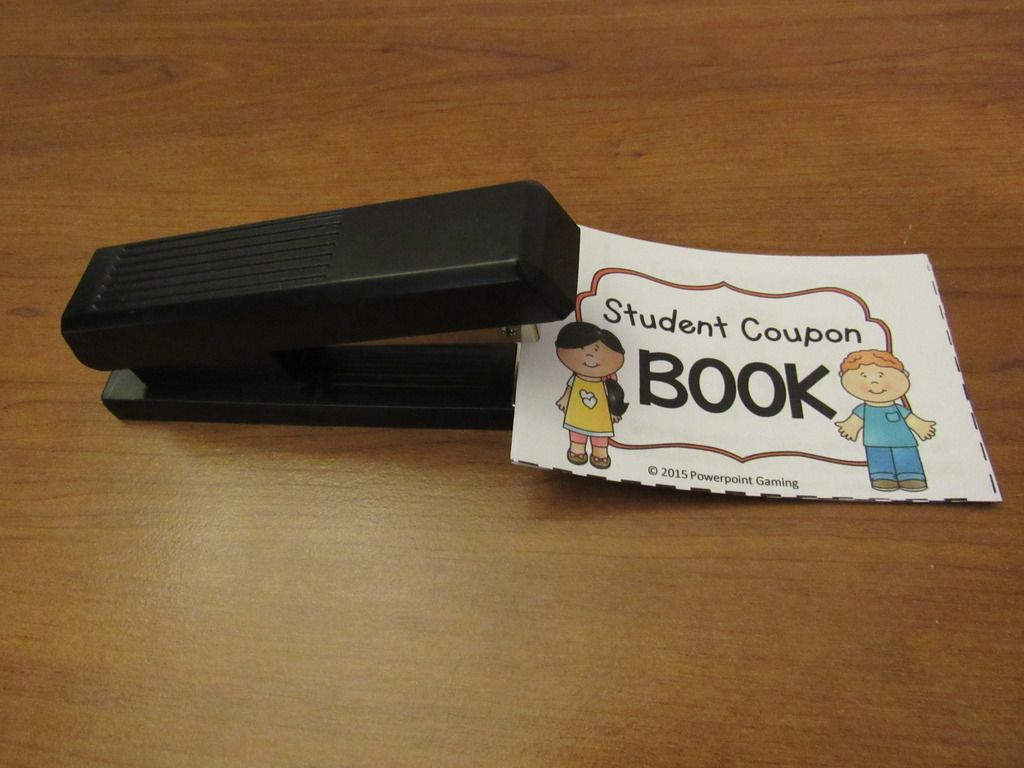
Step 4: Staple it!
Staple the book together in the center left-hand side.
IMG 1022 Zpsczfvjwqk


Step 5: Perforate it!
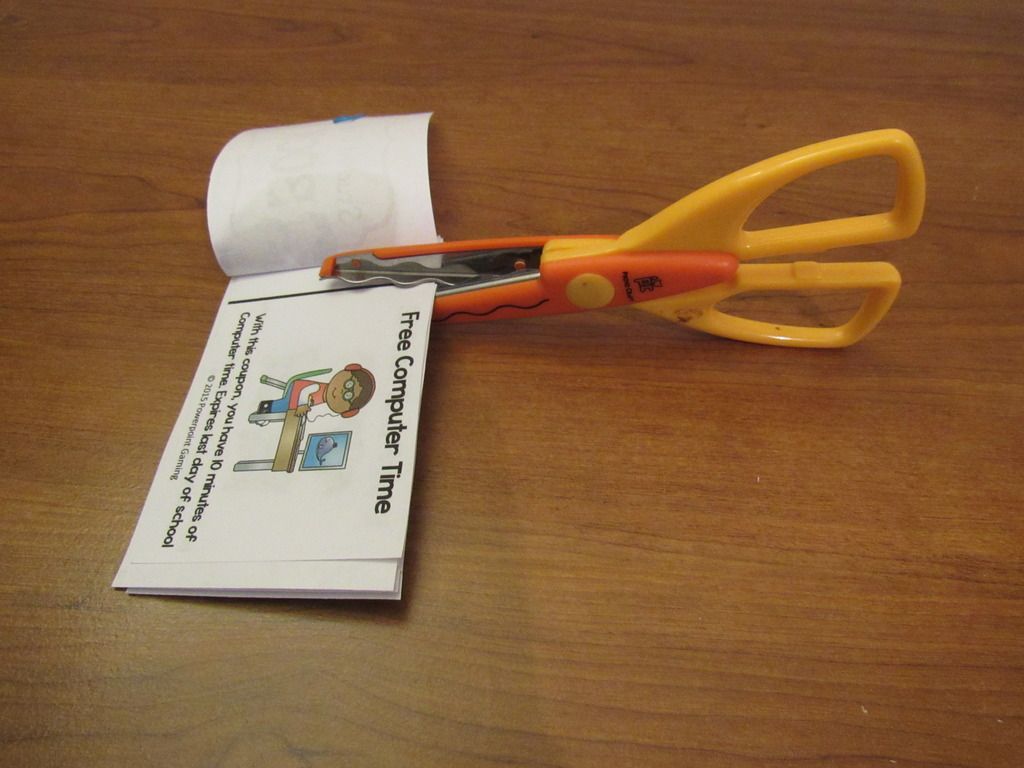
Here the tricky part! Open the book. Cut about 1 inch into the solid black line on the top AND bottom of each coupon. DO NOT CUT ALL THE WAY THROUGH. There should be about 1 inch of paper still there. Depending on how many coupons/reward tickets you have, you can cut them all at once. You can use the Scrap paper scissors  for cool wavy designs.
IMG 1026 Zpsw4dlkk65
Create books to give out to your students or create a book of the same coupon and hand them out as you go! You can purchase my coupon book which includes 15 different rewards.


El3w48mfnI50HPc5SQg8QwcoF9FYQM0kqLerimkkqVI?size=1600x1200&size Mode=3

I hope you enjoyed this “Create it” tutorial. This DIY coupon book works for just about any set of coupons you use. Be sure to pin this post to use anytime you need it!

 

GAUwzy2MQOrqswacktVC6o F7Ak1f7eR7K D7fPFdxo?size=1600x1200&size Mode=3